




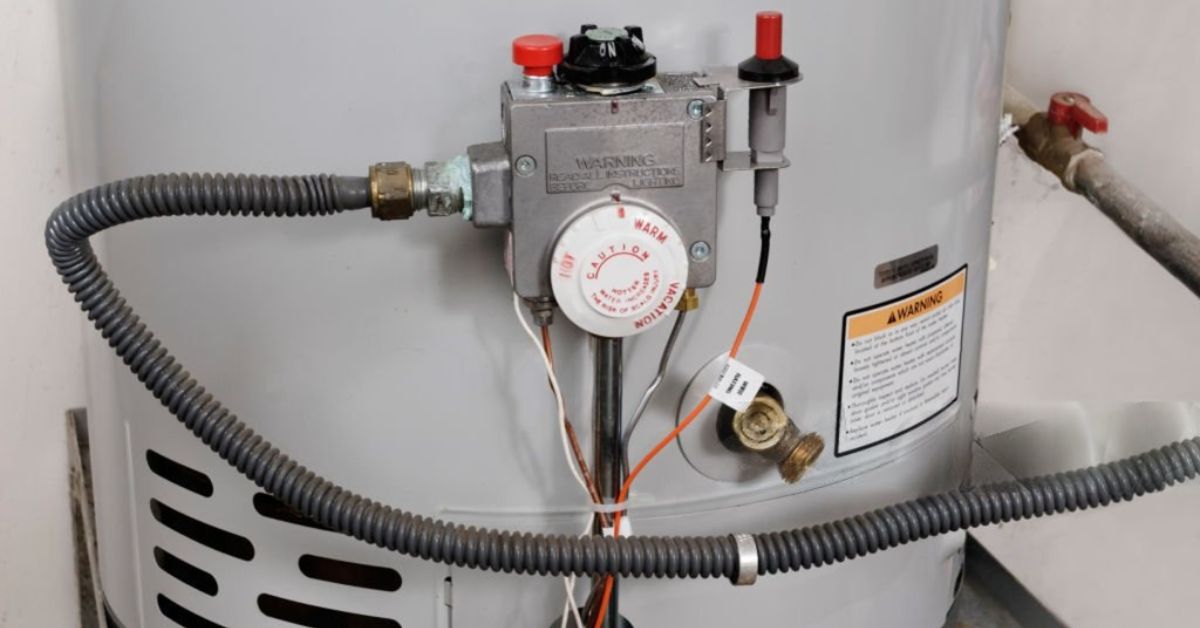
A reliable boiler is one of the most important parts of any home, especially in Sheffield, where cold weather makes dependable heating and hot water essential throughout much of the year. While regular servicing and timely repairs can keep a boiler running efficiently for many years, there comes a point when replacing it becomes the smarter and more cost-effective option.
Many homeowners continue repairing an ageing boiler without realising that frequent breakdowns, rising energy bills, and poor heating performance often indicate that the system has reached the end of its lifespan. Investing in a modern, energy-efficient boiler can improve home comfort, lower energy consumption, and reduce unexpected repair costs.
If you’re unsure whether your current heating system still meets your household’s needs, this guide explains the seven most common signs that it may be time to consider a boiler replacement in Sheffield.
Why Replacing an Old Boiler Matters
Your boiler works hard every day to provide heating and hot water. Over time, even a well-maintained system experiences wear and tear. Components become less efficient, replacement parts become harder to source, and the boiler begins consuming more energy to deliver the same level of performance.
Replacing an outdated boiler offers several benefits, including:
- Lower monthly energy bills
- Improved heating efficiency
- More reliable hot water supply
- Reduced risk of emergency breakdowns
- Lower carbon emissions
- Greater home comfort
- Increased property value
Modern condensing boilers are designed to achieve much higher efficiency than older systems, helping homeowners save money while reducing environmental impact.
Your Boiler Is More Than 15 Years Old
Age is one of the strongest indicators that a boiler may need replacing.
Most boilers have an average lifespan of 10–15 years, depending on their quality, usage, and maintenance history. Even if an older boiler still functions, it is unlikely to operate as efficiently as today’s models.
Older boilers often:
- Use more gas
- Take longer to heat your home
- Lose efficiency every year
- Require increasingly expensive repairs
If your boiler has been serving your home for over fifteen years, replacing it before a major failure occurs is often the most economical decision.
Why age affects efficiency
Technology has improved significantly over the past decade. Modern boilers include:
- Improved heat exchangers
- Better combustion technology
- Smart thermostat compatibility
- Enhanced safety features
- Higher energy efficiency ratings
These improvements allow homeowners to enjoy consistent heating while reducing overall running costs.
Frequent Boiler Breakdowns
Needing one repair every several years is normal.
However, if your boiler engineer is becoming a regular visitor, it may be time to stop investing in repeated repairs.
Some common warning signs include:
- Boiler repeatedly shutting down
- Ignition failures
- Pressure loss
- Pump failures
- Fault codes appearing regularly
- Thermostat issues
- Hot water interruptions
Although individual repairs may seem affordable, multiple repairs over a short period often cost more than replacing the entire system.
When repairs stop being worthwhile
Ask yourself these questions:
- Have you called an engineer more than twice this year?
- Have repair costs continued increasing?
- Are replacement parts becoming difficult to source?
If the answer is yes, replacing the boiler could save considerable money over the coming years.
Internal Link Opportunity: Link naturally to your Boiler Repair Sheffield service page when discussing repair costs and professional inspections.
Your Energy Bills Keep Increasing
Many homeowners blame rising gas prices for higher bills.
While energy prices certainly affect monthly costs, an inefficient boiler can also be responsible for unnecessary energy consumption.
As boilers age:
- Efficiency decreases
- More fuel is required
- Heat loss increases
- Components wear out
This means your boiler burns more gas while producing less heat.
How a modern boiler saves money
New A-rated condensing boilers recover more heat from combustion gases, allowing them to operate far more efficiently than older models.
Benefits include:
- Lower gas consumption
- Faster heating
- Improved temperature control
- Reduced monthly heating costs
Although replacing a boiler requires an initial investment, many homeowners recover a significant portion of the cost through long-term energy savings.
Strange Noises Coming From Your Boiler
A healthy boiler should operate quietly.
If you start hearing unusual noises, they should never be ignored.
Common sounds include:
- Banging
- Whistling
- Gurgling
- Kettling
- Vibrations
- Rumbling
These noises often indicate internal issues such as:
- Limescale buildup
- Air trapped inside the system
- Pump problems
- Low water pressure
- Heat exchanger damage
While some problems can be repaired, persistent noise in an older boiler often signals that the system is nearing the end of its service life.
Why unusual noises shouldn’t be ignored
Ignoring these warning signs can lead to:
- Complete boiler failure
- Expensive repairs
- Reduced heating efficiency
- Higher energy usage
- Unexpected winter breakdowns
Having the boiler inspected by a qualified heating engineer as soon as unusual sounds develop can prevent larger problems later.
Uneven Heating Throughout Your Home
One of the clearest signs of an ageing boiler is inconsistent heating.
You may notice:
- Some rooms remain cold
- Radiators heat unevenly
- Hot water temperature fluctuates
- Heating takes much longer to reach the desired temperature
Although issues like trapped air or sludge in the heating system can sometimes cause these problems, an older boiler may simply no longer have the capacity to distribute heat effectively.
Modern boilers provide better temperature control, faster heating, and improved performance throughout the home, making everyday living more comfortable.