24 HOUR CALL OUTS | NO CALL OUT FEE
Tel: 07853 958388
24 HOUR CALL OUTS | NO CALL OUT FEE

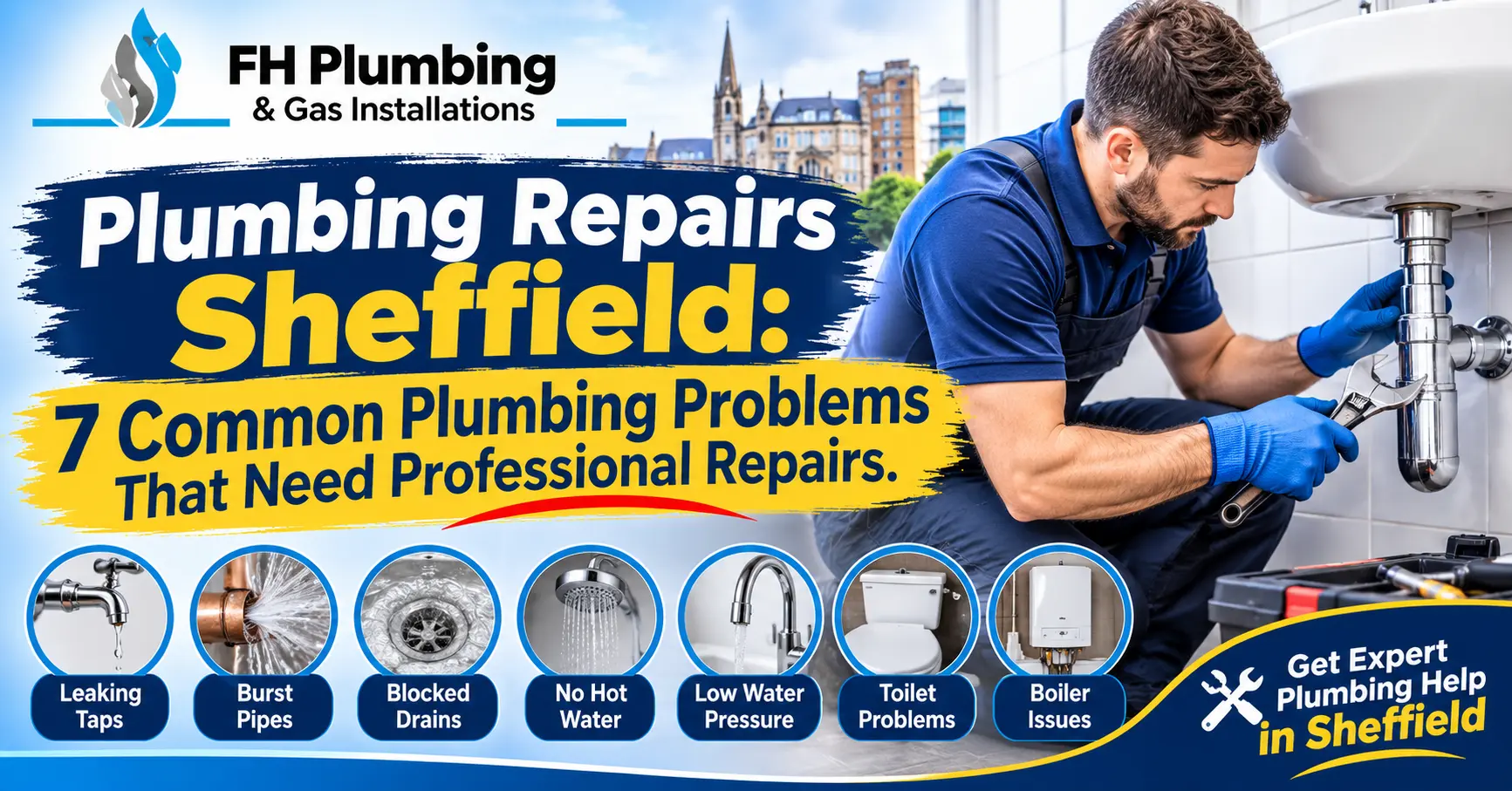
Plumbing Repairs Sheffield: 7 Common Plumbing Problems That Need Professional Repairs

A dripping tap or a slow-draining sink rarely feels like an emergency. However, small faults have a habit of turning into soaked ceilings, damaged floors and large repair bills. If you are searching for dependable Plumbing Repairs Sheffield, it helps to know which problems you can safely monitor and which ones need a trained professional straight away.

Quick answer: The seven plumbing problems that most often need professional repair are leaking pipes, blocked drains, burst pipes, faulty taps and toilets, low water pressure, hidden leaks and hot water faults. Each one can cause lasting damage if it is ignored or patched up with a temporary fix.

This guide explains what causes each problem, the warning signs to watch for, and why calling a qualified plumber is usually the safest and most cost-effective choice for Sheffield homes.

Why Professional Plumbing Repairs Matter for Sheffield Homes

Sheffield has a wide mix of properties, from Victorian terraces in Walkley and Crookes to 1960s semis and modern flats. Older pipework, hard-wearing but ageing joints and cold winter snaps all put pressure on household plumbing. As a result, faults can appear suddenly and without much warning.

Professional help matters for three main reasons:

  • Safety: Water near electrics, or a fault linked to a boiler, can become dangerous quickly.
  • Accuracy: A trained plumber finds the root cause rather than hiding the symptom.
  • Value: A proper repair done once usually costs less than repeated temporary fixes.

For dependable Domestic Plumbing Repairs Sheffield homeowners can trust, choosing a qualified, locally based engineer makes a real difference. Experienced professionals carry the right tools, understand local housing, and can diagnose problems far faster than a guess-and-hope approach.

7 Common Plumbing Problems That Need Professional Repairs

1. Leaking Pipes

Leaking pipe repairs are among the most frequent jobs plumbers handle. Leaks tend to develop at joints, under sinks, behind appliances and along older copper or lead-replacement pipework.

Warning signs include:

  • Damp patches or stains on walls and ceilings
  • A musty smell that does not clear
  • Peeling paint or bubbling wallpaper
  • An unexplained rise in your water bill

A small leak can waste a surprising amount of water and slowly rot timber and plaster. Tightening a fitting with a spanner may stop a drip for a day, but it rarely solves the underlying problem. A professional will locate the source, replace worn sections and test the system properly.

2. Blocked Drains

Blocked drain repairs are needed when water drains slowly, gurgles, or backs up in sinks, baths, showers or toilets. Common causes include grease, hair, wipes, food waste and, outside the house, tree roots or collapsed sections of drain.

Chemical cleaners can seem like an easy answer. Unfortunately, they often fail on serious blockages and can damage older pipes. If more than one fixture is draining slowly, or if wastewater smells foul or rises in a gully, there is likely a deeper blockage that needs professional equipment to clear safely.

3. Burst Pipes

A burst pipe is one of the most urgent plumbing situations a household can face. Freezing temperatures, high pressure and corrosion are the usual culprits, and Sheffield winters make frozen pipes a real risk.

If you suspect a burst pipe, take these steps while you wait for help:

  1. Turn off the water at the main stopcock.
  2. Switch off electrics in the affected area if it is safe to do so.
  3. Open cold taps to drain remaining water from the system.
  4. Move belongings away from the water and catch drips with towels or buckets.

Burst pipe repair is not a job to put off. When water is escaping quickly, you may need Emergency Plumbing Repairs Sheffield residents can rely on. If you need urgent help, FH Plumbing & Gas Installations offers a dedicated emergency plumber service in Sheffield.

4. Dripping Taps and Faulty Toilets

Tap and toilet repairs may look minor, but they are among the most common reasons homeowners call a plumber. A dripping tap usually points to a worn washer or cartridge, while a toilet that constantly runs or will not flush properly often has a failing fill valve, flush mechanism or seal.

Even a slow drip can waste many litres of water over time, and a constantly running toilet can quietly add to your bills. Because the parts are small and designed to fit specific models, an experienced plumber can fix the fault quickly and avoid the damage that can occur when components are forced or mismatched.

5. Low Water Pressure

Weak showers and slow-filling taps are more than an annoyance. Low water pressure can be caused by limescale build-up, a partially closed valve, a hidden leak, a fault with the supply, or corroded pipework.

If the problem affects a single tap, a blocked aerator or cartridge might be responsible. If it affects the whole house, the cause could sit deeper in the system. A professional can test pressure, check valves and pipework, and identify whether the fix is small or whether sections of pipe need replacing.

6. Hidden Leaks and the Need for Water Leak Detection

Not every leak announces itself with a puddle. Pipes under floors, behind walls and beneath bathtubs can leak for weeks before anyone notices. By then, the damage may already be widespread.

Water leak detection uses specialist equipment such as moisture meters, thermal imaging and acoustic tools to pinpoint the source without tearing up your home. Signs that point to a hidden leak include:

  • A water meter that keeps moving when everything is switched off
  • Warm patches on a floor
  • The sound of running water when no tap is open
  • Mould appearing in areas that were previously dry

Finding the exact location early means a smaller, cheaper repair and far less disruption.

7. Hot Water and Boiler-Related Faults

When taps run cold, or the heating stops working, the cause can sit with the boiler, the cylinder, a valve or the pipework. Because gas appliances are involved, these faults should only ever be handled by a qualified engineer. Do not attempt to open or repair a gas boiler yourself.

If you notice loss of pressure, strange noises, or hot water that will not heat up properly, speak to a professional promptly. Our guide to boiler repair in Sheffield explains what to expect from a repair visit.

DIY Fix or Professional Repair? A Simple Guide

Some small jobs are fine for confident homeowners, such as cleaning a showerhead, replacing a tap washer or using a plunger on a simple sink blockage. Beyond these, a professional is the safer choice.

Call a plumber when:

  • Water is escaping and you cannot stop it
  • A problem keeps returning after you have fixed it
  • Gas, electrics or a boiler are involved
  • You cannot find the source of a leak or smell
  • You are unsure what the fault is

Using Local Plumbers Sheffield has practical advantages too. A nearby engineer understands local properties, can often arrange visits sooner, and is easy to contact if you need follow-up help.

How to Choose a Reliable Plumber in Sheffield

Not every plumber offers the same standard of work. Before you book, check these points:

  • Qualifications and registrations: For any gas-related work, ask to see Gas Safe registration.
  • Clear communication: A good plumber explains the problem and the options in plain English.
  • Transparent pricing: You should be given a clear explanation of costs before work begins.
  • Reviews and local reputation: Genuine customer feedback shows how a business treats people after the job is done.
  • Aftercare: A professional stands behind the work they carry out.

Many households also look for Professional Plumbing Services Sheffield providers that can handle several jobs in one visit, from a tap repair to a bathroom or boiler issue. At FH Plumbing & Gas Installations, our approach is built around accurate diagnosis, honest advice and tidy, careful workmanship.

When You Need Same-Day Help

Some problems cannot wait. If water is flooding a room, a pipe has burst, or you have lost heating and hot water in cold weather, you will want help as soon as possible. Many homeowners look for Same Day Plumbing Repairs Sheffield options for exactly these situations. Availability depends on demand and the nature of the fault, so contact a plumber as early in the day as you can and describe the problem clearly.

Simple Ways to Prevent Plumbing Problems

Regular attention can reduce the chance of an expensive repair:

  • Know where your stopcock is and check it turns freely
  • Lag exposed pipes and loft tanks before winter
  • Avoid pouring fat, oil or grease down the sink
  • Never flush wet wipes, even if the packaging says they are flushable
  • Fix small drips and weak flushes early
  • Arrange periodic checks for older properties

Frequently Asked Questions

What is the most common plumbing problem in UK homes?

Leaking pipes, dripping taps and blocked drains are among the most common faults. Many start small, which is why early repair is important.

How do I know if I have a hidden water leak?

Typical signs include an unexplained rise in your water bill, a moving water meter when all taps are off, damp or mouldy patches, and the sound of running water when nothing is in use.

Should I use chemical drain cleaner on a blocked drain?

It is usually best to avoid it for stubborn blockages. Harsh chemicals can damage pipes and may not clear the actual obstruction. A plumber can use proper equipment to clear it safely.

What should I do if a pipe bursts?

Turn off the water at the stopcock, switch off affected electrics if it is safe, drain the system by opening cold taps, and call a qualified plumber immediately.

Can I repair a boiler myself?

No. Boilers are gas appliances and must be inspected and repaired by a qualified, Gas Safe registered engineer.

Conclusion: Do Not Wait for a Small Fault to Become a Big One

Leaking pipes, blocked drains, burst pipes, faulty taps and toilets, low pressure, hidden leaks and hot water faults all share one thing: they usually get worse if left alone. Acting early protects your property, keeps your household safe and helps control costs.

If you are dealing with any of these problems, professional Plumbing Repairs Sheffield homeowners can depend on are just a call away. At FH Plumbing & Gas Installations, we are ready to diagnose the issue, explain your options clearly and complete the repair to a high standard. You can book a plumbing repair visit or call us on 07853 958388 to discuss your problem.
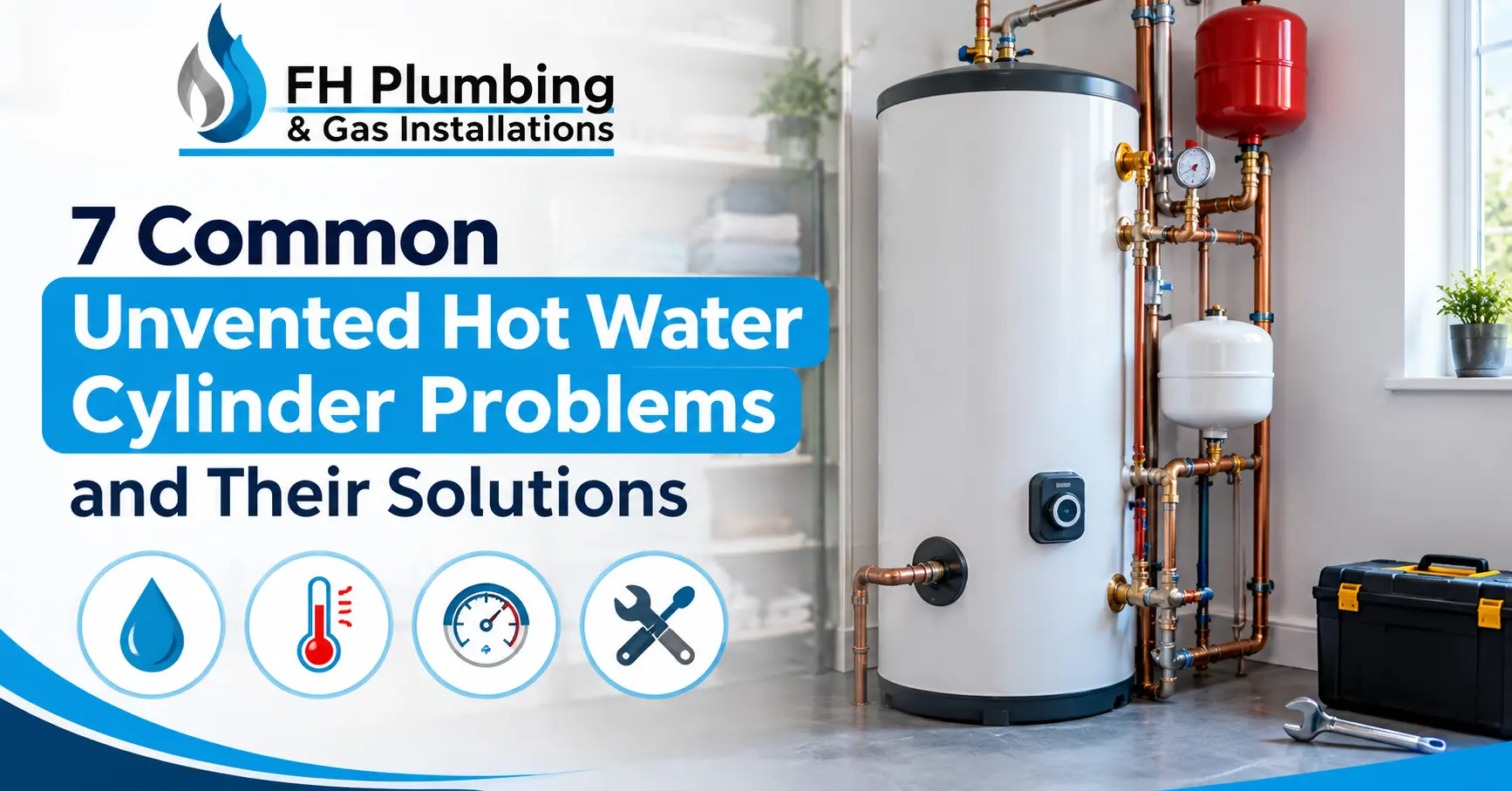
7 Common Unvented Cylinder Problems and Their Solutions

A pressurised hot water cylinder should deliver strong, steady hot water to every tap and shower in the house. When it stops doing that, you notice straight away. Most unvented cylinder problems come down to a handful of causes: no heat, falling pressure, a dripping discharge pipe, overheating, limescale, noise or weak flow at the taps.

This guide explains each fault in plain English, what is safe for you to check, and when to stop and call a qualified engineer. It is written for Sheffield homeowners, landlords and tenants who want clear answers rather than guesswork.

Quick answer: The most common faults are a failed immersion heater or thermostat, a worn expansion vessel, a faulty pressure relief valve, a blocked inlet strainer and limescale build-up. Heating and pressure faults are often fixable with a repair. Anything involving overheating, a hot or running discharge pipe, or the safety valves needs a professional straight away.

Why Safety Comes First With Pressurised Cylinders

An unvented cylinder stores hot water at mains pressure. That is why the shower is so good, and it is also why the safety devices matter. The cylinder is fitted with a temperature relief valve, an expansion relief valve and a tundish (the small visible funnel on the discharge pipe). These exist to release water safely if something goes wrong.

In England, installing and servicing these systems is controlled work under Part G3 of the Building Regulations, so it must be carried out by a suitably qualified person. Never block, cap, adjust or remove a safety valve or discharge pipe, however annoying the dripping may be. Manufacturers also recommend an annual service, and skipping it is the quickest way to turn a small fault into an expensive one.

Unvented Hot Water Cylinder Problems Sheffield Homeowners See Most

Sheffield sits in a hard water area, which means limescale is a regular feature of local cylinder faults. Alongside that, older cylinders that have never been serviced tend to show the same patterns. Here are the seven faults we would expect to come up most often, with the likely cause and the sensible next step for each.

1. Unvented Cylinder Not Heating Water

If the taps run cold or only lukewarm, start with the simple checks. Make sure the programmer or timer is calling for hot water, the cylinder thermostat is turned up, and the immersion heater switch (if you have one) is on. Check that your boiler is working, as the cylinder relies on it to heat the coil.

If those are fine, the usual culprits are:

  • A failed immersion heater element, which is common on older or limescaled cylinders
  • A faulty cylinder thermostat or energy cut-out, which stops the heating from switching on
  • A stuck motorised valve, so hot water from the boiler never reaches the coil
  • A tripped safety cut-out, which usually has a cause worth investigating

A tripped cut-out has a reset button on some models, but if it trips again after one reset, leave it alone and book an engineer. Replacing a thermostat or element is a routine repair for a competent engineer, usually completed in a single visit.

2. Unvented Cylinder Losing Pressure

If the taps are weaker than usual, or the pressure seems to come and go, the problem may lie with the cylinder rather than your supply. An unvented cylinder losing pressure often points to one of three things: a failing pressure reducing valve, a leaking joint or component, or a mains supply issue.

Check whether other cold taps in the house are also weak. If they are, the issue may be your incoming mains, and a call to your water company is a sensible first step. If only the hot water is affected, a damp patch around the cylinder, a drip from a valve or a falling reading on the pressure gauge (if fitted) suggests a fault on the cylinder side. A leak on a pressurised system should never be left to continue, so isolate the supply if you can do so safely and call an engineer.

3. Water Dripping From the Tundish

The tundish is where the cylinder shows you that something is releasing water. Occasional tiny drips can occur, but a steady drip or a heavy flow is not normal.

The most common cause is an expansion vessel that has lost its air charge. As the water heats and expands, it has nowhere to go, so the expansion relief valve opens and sends it down the discharge pipe. A worn pressure relief valve that no longer seats properly can cause the same symptom. Recharging or replacing the vessel, or replacing the valve, solves it in most cases. If the discharge pipe is running hot water, treat it as urgent and switch off the heat source (immersion switch and boiler’s hot water function) while you wait for help.

4. Water Too Hot or the Cylinder Overheating

Very hot water at the taps, steam from the discharge pipe or a cylinder that feels hotter than usual should never be ignored. A stuck thermostat or a failed cut-out can allow the water to keep heating past its set temperature, and a pressurised cylinder at excessive temperature is a genuine safety risk.

Switch off the immersion heater and the boiler’s hot water supply, keep people away from the tundish, and call a qualified engineer immediately. If there is a danger to anyone in the home, call the emergency services first. This is one fault where there is no safe DIY option, and if it happens out of hours, an emergency plumber in Sheffield is the right call.

5. Lukewarm Water or Hot Water Running Out Quickly

When a cylinder that used to last the whole family’s morning showers runs out in minutes, the cause is usually limescale. Scale coats the immersion element and coil, so heat transfers poorly and the cylinder heats more slowly while using more energy. In a hard water area this builds up faster than most people expect.

A failing thermostat can also stop the cylinder reaching full temperature, and a household that has grown or changed its habits may simply have outgrown the cylinder size. An engineer can descale or replace the element, test the thermostats and tell you honestly whether it is the cylinder or the demand that has changed.

6. Banging, Rumbling or Kettling Noises

Kettling, a rumbling sound like a kettle coming to the boil, usually means scale has built up on the heating surface and water is overheating in pockets. A sharp bang when a tap is turned off is a different issue called water hammer, caused by a sudden stop in flow.

Both are worth acting on. Scale reduces efficiency and shortens the life of the element, while repeated hammering can stress joints and fittings. Descaling, replacing worn parts or fitting a suitable arrestor are the usual fixes.

7. Weak Flow at Hot Taps

If the cold taps run well but the hot side trickles, a blocked inlet strainer or a clogged filter on the cylinder’s pressure reducing valve is a likely reason. Debris from the mains, particularly after nearby water works, collects in the strainer and restricts flow.

Cleaning the strainer is a quick job for an engineer and often restores full flow immediately. It is also a good reason to have the cylinder serviced regularly, since the strainer is checked as part of a proper service.

What Are Unvented Hot Water Cylinder Faults Telling You?

Most unvented hot water cylinder faults give warning signs before they become serious. A slightly longer wait for hot water, a damp patch, a small change in noise or a tundish that drips more than it used to are all early messages. Catching unvented cylinder problems early usually means a smaller repair and a lower bill.

Here is a simple way to decide what to do:

  • Safe to check yourself: timer settings, thermostat dial, immersion switch, whether other taps are affected
  • Call an engineer soon: weaker hot water only, slow heating, new noises, a damp patch
  • Call straight away: a hot or running discharge pipe, steam, overheating or any leak you cannot isolate

When to Call a Professional for Cylinder Repairs

Because pressurised cylinders are regulated and potentially dangerous, repairs are not a place for experiments. A qualified engineer will test the thermostats, check the expansion vessel charge, inspect the safety valves and tundish, clean the strainer and confirm the discharge pipe is installed correctly.

If you need Unvented Cylinder Repair Sheffield residents can rely on, FH Plumbing & Gas Installations can inspect the cylinder, explain what has failed and talk you through the repair or replacement options before any work starts. You can arrange a cylinder inspection at a time that suits you.

Should You Repair or Replace Your Cylinder?

Repair usually makes sense when the cylinder is in sound condition and the fault is a single component, such as a thermostat, element, valve or expansion vessel. Replacement becomes worth considering when the cylinder is leaking from the body, is heavily scaled or corroded, or keeps developing new faults. A new cylinder is often installed alongside other work, and if you are also thinking about a new boiler, boiler installation planned at the same time can save disruption. If the boiler itself is the weak link, a boiler repair may restore the whole system. FH Plumbing & Gas Installations can assess both the cylinder and the boiler and advise which option is better value for your home.

How to Prevent Problems With Your Cylinder

A few habits make a real difference when it comes to avoiding unvented cylinder problems:

  • Book an annual service so valves, vessel charge and thermostats are tested
  • Keep the area around the cylinder clear so leaks and drips are noticed quickly
  • Never cover or alter the tundish or discharge pipe
  • Act on small changes, such as noise or slower heating, rather than waiting for a breakdown
  • Keep the installation paperwork and service records somewhere safe

Frequently Asked Questions

What are the most common unvented cylinder problems?

The most common faults are a failed immersion heater or thermostat, a worn expansion vessel, a faulty pressure relief valve, a blocked inlet strainer and limescale build-up. Between them, these account for most no-heat, low-pressure and dripping complaints.

Why is my unvented cylinder not heating water?

Check the programmer, thermostat setting and immersion switch first. If they are correct, the likely causes are a failed element, a faulty thermostat, a stuck motorised valve or a tripped cut-out. An engineer can test each and repair the fault.

Why is my unvented cylinder losing pressure?

It could be a worn pressure reducing valve, a leak on the cylinder side, or a problem with the incoming mains. If only the hot taps are weak, the cylinder is the more likely cause. If every tap is weak, contact your water company.

Is it normal for the tundish to drip?

A small, occasional drip can happen, but a steady drip or a flow of water is not normal. It usually points to an expansion vessel that has lost its charge or a worn relief valve, and it should be checked.

Can I fix an unvented cylinder myself?

Simple checks such as timers and thermostat settings are fine. Work on the safety valves, expansion vessel, thermostats or discharge pipe must be done by a qualified person because the cylinder holds hot water under pressure.

How often should an unvented cylinder be serviced?

Manufacturers generally recommend an annual service. This keeps the safety devices working, reduces limescale-related faults and helps you spot wear before it causes a breakdown.

Conclusion

Most of these faults are fixable, and most give you a warning first. A cylinder that heats slowly, drips from the tundish, makes new noises or loses pressure is asking for attention, and acting early keeps repairs simple. The one rule to remember is that anything involving overheating, steam or a hot discharge pipe is a stop-and-call situation.

If you recognise any of the unvented cylinder problems described above, FH Plumbing & Gas Installations can diagnose the fault, explain your options clearly and get your hot water back to normal. Get in touch today to book an inspection, whether you need a repair, a service or advice on whether it is time for a new cylinder.

Do You Need Plumbers? Call Us at 07853 958388

Call Now
Get A Quote