
Sheffield winters arrive quickly, and the first cold snap is rarely the moment you want to discover that your heating has given up. Learning to spot boiler warning signs early gives you time to arrange a repair on your own terms, rather than scrambling for help when the temperature drops and the whole household is waiting for heat.
At FH Plumbing & Gas Installations, we see the same pattern every autumn: small, easily fixed faults that were ignored over summer turn into full breakdowns once the boiler works hard again. In this guide, we explain seven common signs your boiler needs repair, what each one usually means, what you can safely check, and when to call a Gas Safe registered engineer.
Quick Answer: What Are the Main Warning Signs of a Boiler Problem?
The boiler warning signs we see most often are strange noises, falling pressure, water leaking from the boiler, the boiler switching itself off, radiators that stay cold or lukewarm, fault codes on the display, and rising energy bills with weaker performance. If you notice any of these, stop using the boiler if there is a leak or a smell of gas, and book a qualified engineer to inspect it.
Why Boiler Problems Show Up in Autumn
Over the warmer months, many boilers sit idle for weeks. Seals dry out, valves stick and sludge settles in pipework. When the heating comes back on in October, those hidden weaknesses are exposed. Understanding common boiler problems before winter starts means you can act early, avoid the busiest emergency periods and keep repair costs under control.
The 7 Boiler Faults to Watch For
1. Boiler Making Strange Noises
A healthy boiler hums quietly. If you hear banging, whistling, gurgling or clanking, something is wrong. These noises often point to limescale, trapped air, low water pressure or a failing pump. Sheffield sits in a moderately hard water area, so scale building up on the heat exchanger is a frequent culprit. A boiler making strange noises should be checked promptly, because the underlying cause usually gets worse rather than better.
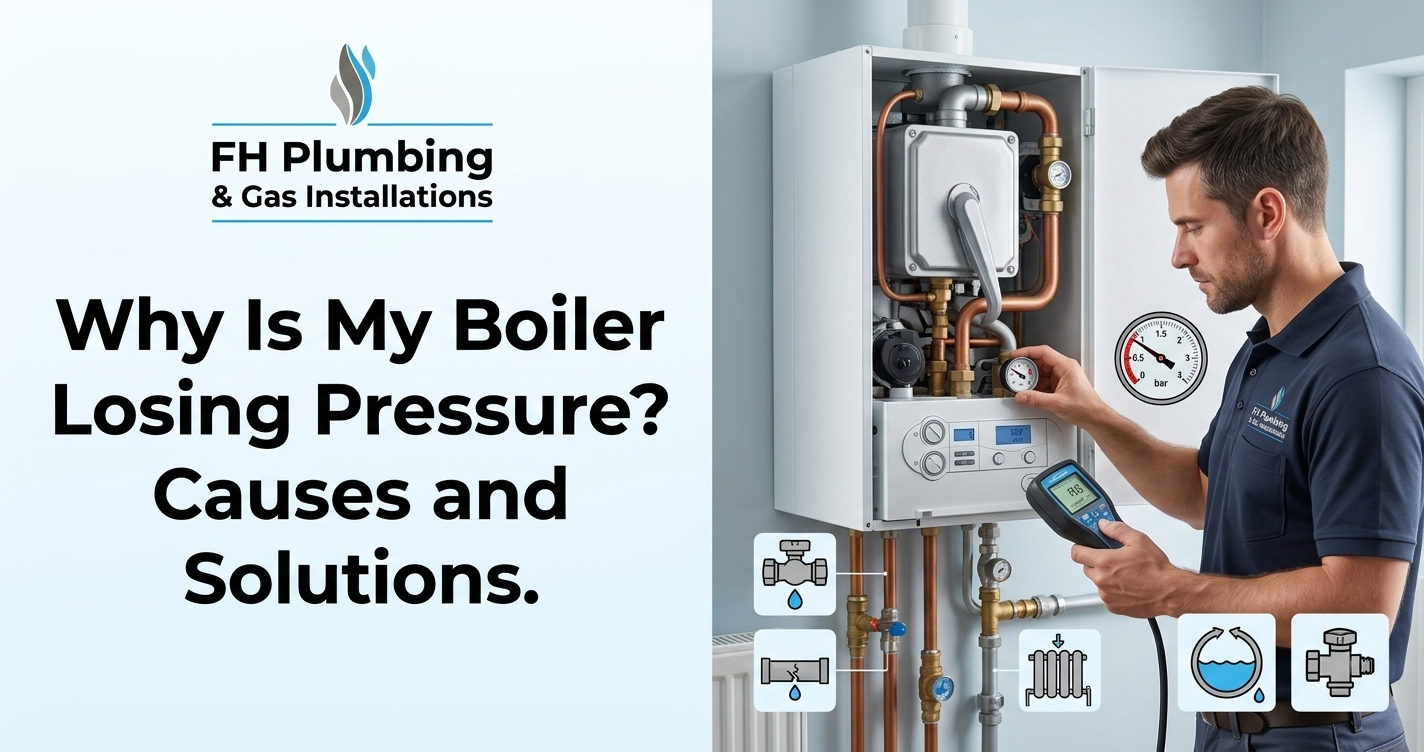
2. Boiler Losing Pressure
Most sealed systems should sit between 1 and 1.5 bar when the heating is off. If you are topping up the pressure every few days, you have a boiler losing pressure for a reason. The cause might be a small leak on a radiator valve, a faulty pressure relief valve or a failing expansion vessel. Topping up repeatedly without finding the cause only hides the problem and introduces fresh oxygen, which speeds up corrosion.
3. Boiler Leaking Water
Any water around or beneath the boiler is a clear sign of trouble. A boiler leaking water could be caused by a worn seal, a corroded pipe or a damaged internal component. Switch the boiler off, avoid touching electrical parts, and arrange a repair visit as soon as possible. Small drips often become major leaks, so do not wait for the problem to grow.
4. Boiler Keeps Switching Off
If your boiler keeps switching off, it is usually protecting itself. Common reasons include low pressure, a blocked condensate pipe, a faulty thermostat or a circulation problem caused by sludge. A condensate pipe that freezes in cold weather is a particularly common winter fault in Yorkshire homes. Do not keep resetting the boiler over and over, as repeated resets can mask a genuine safety issue.
5. Boiler Not Heating Properly
Cold radiators, radiators that are hot at the top but cold at the bottom, or a house that takes far longer to warm up are classic boiler warning signs. In many cases the cause is magnetic sludge, a failing pump or a stuck diverter valve. If your boiler is not heating properly, bleeding the radiators is a sensible first step, but persistent cold spots usually need a professional power flush or a component repair.
6. Boiler Error Codes
Modern boilers display fault codes to help engineers diagnose issues quickly. Boiler error codes vary between manufacturers, so check your manual, note the code down and mention it when you contact an engineer. A one-off code that clears after a single reset may not be serious, but repeated codes are a reliable sign of a developing fault.
7. Rising Bills and Boiler Performance Problems
If your energy bills climb without any change in how you use heating, boiler performance problems may be to blame. A boiler that burns less efficiently uses more gas to produce the same heat. Another important sign of a faulty boiler is a lazy yellow or orange flame on a gas boiler, which should normally burn blue. This can indicate incomplete combustion, so contact a Gas Safe registered engineer straight away and make sure you have a working carbon monoxide alarm installed.
Early Warning Signs of Boiler Failure You Might Overlook
Not every fault is loud or dramatic. Some early warning signs of boiler failure are subtle, such as a pilot light that keeps going out, a slow delay before hot water arrives, a musty smell near the boiler, or visible rust and staining around the casing. These are all signs of a faulty boiler, and paying attention to small changes helps you catch problems before they cause a complete breakdown.
What You Can Safely Check Yourself
There are a few simple checks that are safe for any homeowner:
- Look at the pressure gauge. If it has dropped below 1 bar, follow your manufacturer’s instructions to repressurise.
- Check the display. Write down any fault code before you reset anything.
- Review your thermostat and timer. Make sure the settings have not changed after a power cut.
- Check for visible leaks or damp patches. Note where they are for your engineer.
- Bleed cold radiators. Release trapped air if the tops feel cooler than the bottoms.
Never remove the boiler casing or attempt gas or internal repairs yourself. These jobs must be carried out by a Gas Safe registered engineer. If you ever smell gas, turn off the supply at the meter, open windows, avoid flames and switches, and call the National Gas Emergency line on 0800 111 999.
When Should You Call a Professional?
Call an engineer without delay if you notice a gas smell, a yellow flame, water leaking from the boiler, repeated fault codes, or a complete loss of heating and hot water. If your home is without heat in freezing weather, our emergency boiler repair Sheffield service can help restore warmth quickly. For less urgent faults, booking boiler repair Sheffield appointments in October is far easier than waiting until December, when demand is at its highest.
Boiler Maintenance Sheffield Homes Need: The Best Way to Avoid Surprises
Regular servicing is the most effective way to prevent breakdowns. An annual service allows an engineer to clean key components, test safety devices, check pressure and flue operation, and spot worn parts before they fail. Many of the boiler warning signs listed above can be caught during a routine visit, which is why boiler maintenance in Sheffield matters so much before the cold sets in.
At FH Plumbing & Gas Installations, our engineers explain each finding in plain English, so you understand what needs attention now and what can wait.
Repair or Replace: When to Replace an Old Boiler
Most faults are repairable, and a repair is often far cheaper than a new boiler. However, it may be time to think about replacement when:
- Your boiler is more than 12 to 15 years old
- Repairs are becoming frequent or expensive
- Spare parts are hard to find
- Efficiency has dropped noticeably
- The heat exchanger is badly corroded
A new, high-efficiency model can reduce running costs and give you peace of mind. If you are weighing your options, our team can advise honestly on whether a repair or a boiler installation makes more sense for your home and budget.
Frequently Asked Questions
What are the most common boiler warning signs?
The most common signs are strange noises, pressure loss, leaks, the boiler switching off by itself, poor heating, fault codes and rising bills. Any of these deserves a professional inspection.
Is it safe to keep using a boiler with a problem?
It depends on the fault. If there is a gas smell, a yellow flame, a significant leak or any carbon monoxide alarm warning, stop using the boiler immediately and call a Gas Safe registered engineer. For minor issues, use it cautiously until it can be inspected.
Why does my boiler keep losing pressure?
Pressure usually falls because of a leak, a faulty pressure relief valve or a failing expansion vessel. Repeated top-ups without a repair can lead to further damage.
How often should a boiler be serviced?
Most manufacturers recommend a service once a year. Regular checks help maintain efficiency, protect your warranty and catch faults early.
When is the best time to book a boiler repair?
The best time is as soon as you notice a problem. Booking before winter helps you avoid the busiest period and reduces the risk of losing heating during cold weather.
Conclusion: Act Early and Stay Warm This Winter
Spotting boiler warning signs early can save you money, stress and a cold house. Noises, pressure loss, leaks, repeated shutdowns, poor heating, error codes and rising bills are all messages from your boiler, and they are far easier to deal with in autumn than in the middle of a freeze.
If you recognise any of these signs, FH Plumbing & Gas Installations is ready to help with honest advice and dependable Gas Safe registered support across Sheffield. Get in touch through our contact to book an inspection before winter arrives.