24 HOUR CALL OUTS | NO CALL OUT FEE
Tel: 07853 958388
24 HOUR CALL OUTS | NO CALL OUT FEE

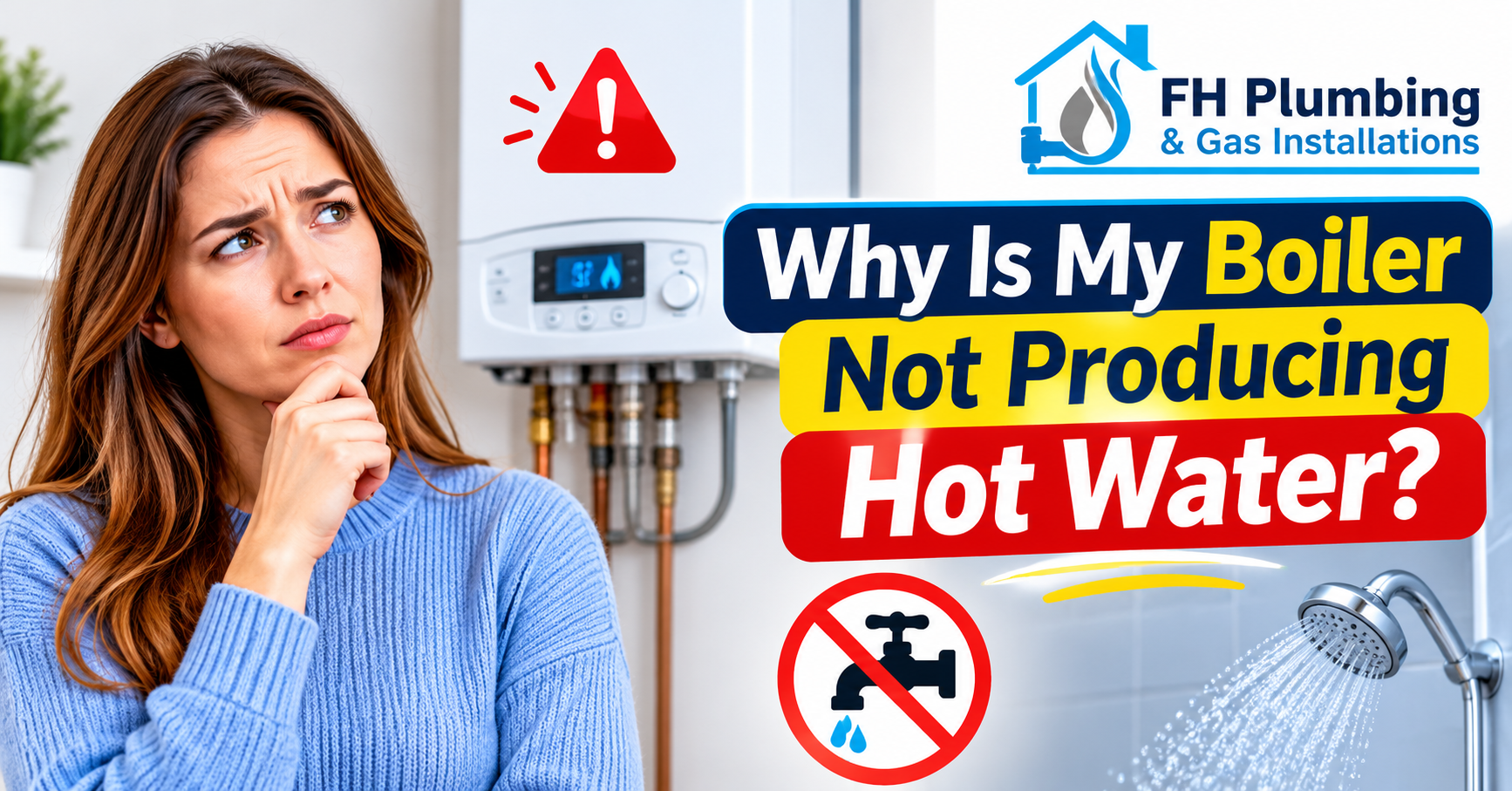
Why Is Your Boiler Not Producing Hot Water? Causes, Checks and Fixes

Few things disrupt a cold Sheffield morning like stepping into a shower that never warms up. If you have a boiler not producing hot water, the cause is often simpler than you might expect, although some faults do need a qualified professional. At FH Plumbing & Gas Installations, we regularly help homeowners, tenants and landlords work out why their hot water has stopped, and this guide shares the practical knowledge we have built up from that work.

You will learn how your boiler heats water, the most common faults, which safe checks you can try yourself, and when it is time to call a Gas Safe registered engineer.

What Causes a Boiler Not Producing Hot Water?

The most common causes are low boiler pressure, a faulty diverter valve, a failed thermostat, a frozen condensate pipe, limescale build-up, or a fault with the hot water cylinder in a system boiler setup. Some of these are simple to rule out, while others involve gas appliances and must only be handled by a qualified engineer.

How Your Boiler Heats Your Water

Understanding the basics makes fault-finding far easier. Most Sheffield homes use one of three setups:

  • Combi boilers heat water on demand. When you open a tap, a plate heat exchanger warms the incoming mains water almost instantly.
  • System boilers heat water and store it in a separate hot water cylinder.
  • Regular (conventional) boilers work with a cylinder and a cold water tank, usually in the loft.

Because each setup works differently, the symptoms differ too. A combi boiler that stops producing hot water often has a different fault from a system boiler with a cylinder that stays cold.

Common Reasons for a Boiler Not Producing Hot Water

Low Boiler Pressure

Your boiler needs a certain water pressure to operate safely. If the pressure gauge reads below the recommended range, the boiler may lock out or limit hot water output. Pressure can drop after bleeding radiators or because of a small leak somewhere in the system.

A Faulty Diverter Valve

In a combi boiler, the diverter valve directs heat either to your radiators or to your taps. When it sticks or wears out, you might find the heating works perfectly while the taps run cold, or the other way round. This is one of the most frequent reasons for no hot water but heating still working.

Broken Thermostat or Temperature Settings

A faulty cylinder thermostat, or a boiler temperature set too low, can stop water reaching a comfortable temperature. Settings sometimes change after a power cut or a programmer reset, so they are worth reviewing.

Limescale on the Plate Heat Exchanger

Over time, mineral deposits can restrict flow through the plate heat exchanger. The result is lukewarm water or a slow rise in temperature, particularly when a tap is opened for a short time.

A Frozen Condensate Pipe

During a hard Sheffield winter, the plastic condensate pipe outside your home can freeze. When that happens, many modern condensing boilers shut down as a safety measure. You may see an error code or notice that the boiler has stopped altogether.

Pump, Ignition or Gas Supply Problems

A failing pump, an ignition fault or an interrupted gas supply can all leave you without hot water. These problems involve gas and electrical components, so they are for a qualified engineer only.

Cylinder or Immersion Heater Faults

If you have a hot water cylinder, a failed motorised valve or a tripped immersion heater could explain why the water stays cold even though the boiler fires up.

Safe Checks Before You Call an Engineer

If you spot a boiler not producing hot water, these quick checks are safe for most households and may save you a call-out:

  1. Check the display. Look for an error code and note it down. Your manual explains what it means.
  2. Review the pressure gauge. Most boilers should sit within the range shown in the manufacturer’s instructions.
  3. Confirm the thermostat and timer settings. Make sure hot water is switched on and the programmer is set correctly.
  4. Check other gas appliances. If your hob also seems to be off, there may be a wider supply issue.
  5. Look at the condensate pipe in freezing weather. If it is frozen, pouring warm (not boiling) water over it can sometimes help. Take care on icy ground.
  6. Try a single reset. If your boiler has a reset button, follow the manufacturer’s guidance and press it once only.

If none of these steps restores your hot water, stop there. Repeated resets or opening the boiler casing can make matters worse and may be unsafe.

Warning Signs That Need Urgent Attention

Some symptoms should never be ignored. If you notice any of the following, switch off the appliance and contact a Gas Safe registered engineer straight away:

  • A smell of gas (call the National Gas Emergency Service on 0800 111 999)
  • Yellow or orange flames instead of a steady blue flame
  • Black marks or soot around the boiler
  • Strange banging, whistling or gurgling noises
  • Visible leaks or water pooling beneath the unit
  • A carbon monoxide alarm sounding

Carbon monoxide is odourless and dangerous, so fitting a working alarm near your boiler is strongly recommended. If your alarm sounds, open windows, leave the property and seek emergency help.

Why DIY Gas Repairs Are Not Worth the Risk

It can be tempting to open the casing and investigate, but working on a gas appliance without the right qualifications is illegal as well as unsafe. A trained engineer uses calibrated equipment to test pressures, combustion and flow, and can spot issues that are invisible to the eye. A professional diagnosis also protects your warranty and keeps your home insurance valid.

What Happens During a Professional Repair Visit

When you book with FH Plumbing & Gas Installations, our engineer starts by listening to what you have noticed, including when the problem began and whether it affects the heating, the taps or both. We then carry out a methodical inspection, which typically covers pressure, the diverter valve, thermostats, flow rates and safety devices.

Once the cause of your boiler not producing hot water is identified, we explain the fault in plain English and give you a clear price before any work begins. Many problems can be resolved efficiently, and if a part is needed we will tell you honestly what is involved. If the fault looks urgent, our emergency plumbers in Sheffield can advise on the best next step, and you can read more about gas engineers in Sheffield to understand what a Gas Safe engineer checks.

Should You Repair or Replace Your Boiler?

Not every fault means a new boiler. As a general guide, repair usually makes sense when the boiler is under ten years old and the fault is isolated. Replacement may be worth considering when:

  • The boiler is 12 to 15 years old or more
  • Breakdowns are becoming frequent
  • Spare parts are hard to find
  • Your energy bills keep climbing
  • Repair costs are approaching the price of a newer unit

If a boiler not producing hot water keeps returning despite repairs, comparing options is sensible. Our guides on boiler replacement in Sheffield and boiler installation in Sheffield explain what to expect, and a modern high-efficiency model can also reduce running costs. If the fault turns out to be a leaking pipe or cylinder issue, our plumbers in Sheffield can help too.

How to Prevent Hot Water Problems in Future

A little regular care goes a long way:

  • Book an annual boiler service with a Gas Safe registered engineer.
  • Check the pressure gauge every month or so.
  • Insulate exposed pipes, especially the condensate pipe, before winter.
  • Bleed radiators when they feel cold at the top.
  • Run the heating briefly during warm months to keep components moving.
  • Act on early warning signs such as noises, slow heating or unusual smells.

Keeping on top of these habits makes a boiler not producing hot water far less likely, and it helps your system run efficiently year-round.

Frequently Asked Questions

Why is my boiler on but I have no hot water?

The boiler can be firing while a faulty diverter valve, thermostat or blocked heat exchanger prevents heat reaching your taps. A qualified engineer can identify which component is responsible.

Why do I have heating but no hot water?

This often points to a diverter valve problem on a combi boiler, or a cylinder, thermostat or motorised valve fault on a system boiler.

Can low pressure cause a boiler not producing hot water?

Yes. Low pressure can stop the boiler operating normally, and it may suggest a leak. If topping up the pressure does not help, or it keeps dropping, call an engineer.

Is it safe to keep using my boiler if the hot water stops?

If there is no gas smell, no carbon monoxide alarm and no leak, it is usually safe to leave the boiler off until it is checked. If you have any doubt, switch it off and seek advice.

How much does it cost to fix a boiler with no hot water?

The cost depends on the cause and the parts needed. A qualified engineer should explain the fault and provide a clear quote before starting work.

How often should my boiler be serviced?

Manufacturers generally recommend a service once a year, which helps catch small faults before they leave you cold.

Conclusion

A boiler not producing hot water is frustrating, but understanding the likely causes puts you in control. Start with the simple, safe checks, never ignore warning signs such as gas smells or carbon monoxide alarms, and leave anything involving the appliance itself to a qualified professional.

If your hot water has stopped and you would like friendly, honest advice, FH Plumbing & Gas Installations is ready to help homeowners, tenants and landlords across Sheffield. Call us on 07853 958388 or book a boiler repair visit today.
7 Warning Signs Your Boiler Needs Repair Before Winter

Sheffield winters arrive quickly, and the first cold snap is rarely the moment you want to discover that your heating has given up. Learning to spot boiler warning signs early gives you time to arrange a repair on your own terms, rather than scrambling for help when the temperature drops and the whole household is waiting for heat.

At FH Plumbing & Gas Installations, we see the same pattern every autumn: small, easily fixed faults that were ignored over summer turn into full breakdowns once the boiler works hard again. In this guide, we explain seven common signs your boiler needs repair, what each one usually means, what you can safely check, and when to call a Gas Safe registered engineer.

Quick Answer: What Are the Main Warning Signs of a Boiler Problem?

The boiler warning signs we see most often are strange noises, falling pressure, water leaking from the boiler, the boiler switching itself off, radiators that stay cold or lukewarm, fault codes on the display, and rising energy bills with weaker performance. If you notice any of these, stop using the boiler if there is a leak or a smell of gas, and book a qualified engineer to inspect it.

Why Boiler Problems Show Up in Autumn

Over the warmer months, many boilers sit idle for weeks. Seals dry out, valves stick and sludge settles in pipework. When the heating comes back on in October, those hidden weaknesses are exposed. Understanding common boiler problems before winter starts means you can act early, avoid the busiest emergency periods and keep repair costs under control.

The 7 Boiler Faults to Watch For

1. Boiler Making Strange Noises

A healthy boiler hums quietly. If you hear banging, whistling, gurgling or clanking, something is wrong. These noises often point to limescale, trapped air, low water pressure or a failing pump. Sheffield sits in a moderately hard water area, so scale building up on the heat exchanger is a frequent culprit. A boiler making strange noises should be checked promptly, because the underlying cause usually gets worse rather than better.

2. Boiler Losing Pressure

Most sealed systems should sit between 1 and 1.5 bar when the heating is off. If you are topping up the pressure every few days, you have a boiler losing pressure for a reason. The cause might be a small leak on a radiator valve, a faulty pressure relief valve or a failing expansion vessel. Topping up repeatedly without finding the cause only hides the problem and introduces fresh oxygen, which speeds up corrosion.

3. Boiler Leaking Water

Any water around or beneath the boiler is a clear sign of trouble. A boiler leaking water could be caused by a worn seal, a corroded pipe or a damaged internal component. Switch the boiler off, avoid touching electrical parts, and arrange a repair visit as soon as possible. Small drips often become major leaks, so do not wait for the problem to grow.

4. Boiler Keeps Switching Off

If your boiler keeps switching off, it is usually protecting itself. Common reasons include low pressure, a blocked condensate pipe, a faulty thermostat or a circulation problem caused by sludge. A condensate pipe that freezes in cold weather is a particularly common winter fault in Yorkshire homes. Do not keep resetting the boiler over and over, as repeated resets can mask a genuine safety issue.

5. Boiler Not Heating Properly

Cold radiators, radiators that are hot at the top but cold at the bottom, or a house that takes far longer to warm up are classic boiler warning signs. In many cases the cause is magnetic sludge, a failing pump or a stuck diverter valve. If your boiler is not heating properly, bleeding the radiators is a sensible first step, but persistent cold spots usually need a professional power flush or a component repair.

6. Boiler Error Codes

Modern boilers display fault codes to help engineers diagnose issues quickly. Boiler error codes vary between manufacturers, so check your manual, note the code down and mention it when you contact an engineer. A one-off code that clears after a single reset may not be serious, but repeated codes are a reliable sign of a developing fault.

7. Rising Bills and Boiler Performance Problems

If your energy bills climb without any change in how you use heating, boiler performance problems may be to blame. A boiler that burns less efficiently uses more gas to produce the same heat. Another important sign of a faulty boiler is a lazy yellow or orange flame on a gas boiler, which should normally burn blue. This can indicate incomplete combustion, so contact a Gas Safe registered engineer straight away and make sure you have a working carbon monoxide alarm installed.

Early Warning Signs of Boiler Failure You Might Overlook

Not every fault is loud or dramatic. Some early warning signs of boiler failure are subtle, such as a pilot light that keeps going out, a slow delay before hot water arrives, a musty smell near the boiler, or visible rust and staining around the casing. These are all signs of a faulty boiler, and paying attention to small changes helps you catch problems before they cause a complete breakdown.

What You Can Safely Check Yourself

There are a few simple checks that are safe for any homeowner:

  1. Look at the pressure gauge. If it has dropped below 1 bar, follow your manufacturer’s instructions to repressurise.
  2. Check the display. Write down any fault code before you reset anything.
  3. Review your thermostat and timer. Make sure the settings have not changed after a power cut.
  4. Check for visible leaks or damp patches. Note where they are for your engineer.
  5. Bleed cold radiators. Release trapped air if the tops feel cooler than the bottoms.

Never remove the boiler casing or attempt gas or internal repairs yourself. These jobs must be carried out by a Gas Safe registered engineer. If you ever smell gas, turn off the supply at the meter, open windows, avoid flames and switches, and call the National Gas Emergency line on 0800 111 999.

When Should You Call a Professional?

Call an engineer without delay if you notice a gas smell, a yellow flame, water leaking from the boiler, repeated fault codes, or a complete loss of heating and hot water. If your home is without heat in freezing weather, our emergency boiler repair Sheffield service can help restore warmth quickly. For less urgent faults, booking boiler repair Sheffield appointments in October is far easier than waiting until December, when demand is at its highest.

Boiler Maintenance Sheffield Homes Need: The Best Way to Avoid Surprises

Regular servicing is the most effective way to prevent breakdowns. An annual service allows an engineer to clean key components, test safety devices, check pressure and flue operation, and spot worn parts before they fail. Many of the boiler warning signs listed above can be caught during a routine visit, which is why boiler maintenance in Sheffield matters so much before the cold sets in.

At FH Plumbing & Gas Installations, our engineers explain each finding in plain English, so you understand what needs attention now and what can wait.

Repair or Replace: When to Replace an Old Boiler

Most faults are repairable, and a repair is often far cheaper than a new boiler. However, it may be time to think about replacement when:

  • Your boiler is more than 12 to 15 years old
  • Repairs are becoming frequent or expensive
  • Spare parts are hard to find
  • Efficiency has dropped noticeably
  • The heat exchanger is badly corroded

A new, high-efficiency model can reduce running costs and give you peace of mind. If you are weighing your options, our team can advise honestly on whether a repair or a boiler installation makes more sense for your home and budget.

Frequently Asked Questions

What are the most common boiler warning signs?

The most common signs are strange noises, pressure loss, leaks, the boiler switching off by itself, poor heating, fault codes and rising bills. Any of these deserves a professional inspection.

Is it safe to keep using a boiler with a problem?

It depends on the fault. If there is a gas smell, a yellow flame, a significant leak or any carbon monoxide alarm warning, stop using the boiler immediately and call a Gas Safe registered engineer. For minor issues, use it cautiously until it can be inspected.

Why does my boiler keep losing pressure?

Pressure usually falls because of a leak, a faulty pressure relief valve or a failing expansion vessel. Repeated top-ups without a repair can lead to further damage.

How often should a boiler be serviced?

Most manufacturers recommend a service once a year. Regular checks help maintain efficiency, protect your warranty and catch faults early.

When is the best time to book a boiler repair?

The best time is as soon as you notice a problem. Booking before winter helps you avoid the busiest period and reduces the risk of losing heating during cold weather.

Conclusion: Act Early and Stay Warm This Winter

Spotting boiler warning signs early can save you money, stress and a cold house. Noises, pressure loss, leaks, repeated shutdowns, poor heating, error codes and rising bills are all messages from your boiler, and they are far easier to deal with in autumn than in the middle of a freeze.

If you recognise any of these signs, FH Plumbing & Gas Installations is ready to help with honest advice and dependable Gas Safe registered support across Sheffield. Get in touch through our contact to book an inspection before winter arrives.

No Hot Water But Heating Works: Causes and Solutions

Waking up to a warm house but a freezing shower is one of the most frustrating boiler faults a homeowner can face. If you have no hot water but heating works, the good news is that your boiler is still firing, which usually points to a fault in one specific part of the system rather than a complete breakdown. In this guide, we explain the most common causes, the safe checks you can carry out yourself, and when it is time to call a Gas Safe registered engineer.

At FH Plumbing & Gas Installations, we regularly attend homes across Sheffield where the radiators are toasty but the taps run cold. The causes are usually straightforward to diagnose, and most can be fixed in a single visit.

Quick Answer: Why Is There Hot Heating but No Hot Water?

When a home has no hot water but heating works, the most common causes are a faulty diverter valve, a failed motorised valve, a stuck or broken thermostat, low boiler pressure, a scaled-up heat exchanger, or a problem with the hot water cylinder or its programmer settings. Homeowners often describe the same fault as no hot water but radiators are working, or simply heating works but no hot water. Because heating and hot water share one boiler but use different components to deliver heat, one can fail while the other carries on as normal.

Why Does Your Home Have No Hot Water But Heating Works?

Your boiler produces heat in the same way for both radiators and taps. The difference lies in where that heat is sent. Inside the system, valves and controls decide whether hot water goes to your radiators, to a cylinder, or directly to your taps. When one of those parts fails, you end up with a central heating working but hot water not working situation.

Understanding which type of boiler you own is the first step towards finding the fault.

Combi Boilers

A combi boiler heats water on demand. When you open a hot tap, the boiler switches from heating mode to hot water mode. If you have hot water not working on combi boiler models, the diverter valve is often the culprit, and it is the first part we check when a customer reports no hot water but heating works. This small valve redirects heat between the radiators and the taps, and when it sticks, the boiler keeps sending heat to the radiators only.

System and Regular Boilers

With a system or regular boiler, hot water is stored in a cylinder. If your boiler heating but no hot water is the problem here, the cause is often a stuck motorised (zone) valve, a failed cylinder thermostat, or a programmer that is not calling for hot water.

Common Causes of Hot Water Failure When the Heating Is Fine

1. Faulty Diverter Valve

On combi boilers, the diverter valve is one of the most frequent reasons for a boiler hot water problem. Signs include radiators heating up when you run a hot tap, or taps that only produce lukewarm water. Over time, limescale and debris can cause the valve to stick or its internal components to wear out.

2. Failed Motorised Valve

On system and regular setups, a two-port or three-port motorised valve directs hot water to the cylinder. If it jams, the cylinder never receives heat. You may notice the boiler firing for the radiators while the cylinder stays cold.

3. Thermostat or Programmer Problems

A cylinder thermostat that has failed, or a programmer set to heating only, can leave you with no hot water in house but heating is on, and a boiler not producing hot water even though it fires normally. It is worth checking your timer settings first, especially after a power cut or the clocks changing.

4. Limescale in the Heat Exchanger

Sheffield sits in a moderately hard water area, so scale can build up inside a combi boiler’s plate heat exchanger. The result is a boiler not heating water properly, with water that comes out lukewarm or fluctuates between hot and cold.

5. Low Boiler Pressure

If your boiler pressure drops below roughly 1 bar, some combi models prioritise safety and restrict hot water output. A gauge reading outside the normal range is a clear warning sign.

6. Airlocks or Blockages in Pipework

Trapped air or debris can stop hot water reaching the tap. If you notice no hot water from taps but heating works, and only one tap is affected, a localised blockage or tap fault may be to blame.

7. Cylinder or Immersion Heater Faults

If your home has a hot water cylinder, the immersion heater or thermostat could have failed. A cylinder that is fully cold while the boiler runs normally strongly suggests a control or valve fault.

Safe Checks You Can Do Before Calling an Engineer

Before you book a visit, there are a few simple steps worth trying. These are safe for any homeowner and can sometimes solve the problem without a call-out.

  1. Check the boiler display. Look for fault codes, and note them down for your engineer.
  2. Check the pressure gauge. If it is below 1 bar, your boiler manual will explain how to repressurise it safely.
  3. Review your programmer. Make sure hot water is switched on and scheduled correctly.
  4. Turn the hot water temperature up. Some combi boilers have a separate dial for domestic hot water.
  5. Run the hot tap for a minute. This can clear small airlocks and prompt the boiler to switch modes.
  6. Reset the boiler once. Follow the manufacturer’s instructions, and do not repeat the reset more than once.

If you still have no hot water but heating works after these checks, the fault is almost certainly a component that needs professional attention.

What Not to Do

Never remove the boiler casing, tamper with gas connections, or attempt to replace internal valves yourself. Gas appliances must be repaired by a Gas Safe registered engineer. If you smell gas, turn off the supply at the meter, open windows, avoid switches and flames, and call the National Gas Emergency line on 0800 111 999 straight away.

How a Professional Engineer Diagnoses the Problem

When you report no hot water but heating works, an experienced engineer follows a methodical process. They will check the pressure and fault codes, test the diverter or motorised valve, inspect the thermostat, measure flow rates at the tap, and assess whether limescale has restricted the heat exchanger. This structured approach avoids guesswork, which saves you money and prevents repeat visits.

At FH Plumbing & Gas Installations, our engineers explain what they find in plain English before any work begins, so you understand the fault, the repair options, and the cost involved. If your fault needs urgent attention, our emergency boiler repair service is available to help restore comfort quickly.

Repair or Replace: What Makes Sense?

Most cases of no hot water but heating works are repairable. A diverter valve replacement, a new motorised valve, or a thermostat swap is generally far more affordable than a new boiler. However, replacement may be worth considering if:

  • Your boiler is more than 12 to 15 years old
  • Repairs have become frequent or costly
  • Spare parts are no longer available
  • The heat exchanger is badly corroded or scaled

If you are weighing up your options, our team can advise honestly on whether a repair or a boiler installation is the better long-term investment for your home.

How to Prevent Hot Water Problems in the Future

Regular care keeps your system reliable throughout the year, especially through the colder months when demand is highest.

  • Book an annual boiler service. It is the single best way to catch worn valves and scale early.
  • Consider a magnetic filter or system flush. This removes sludge that can damage valves and heat exchangers.
  • Keep an eye on pressure. Top it up when needed and report repeated pressure loss.
  • Use a scale inhibitor in hard water areas. It helps protect combi heat exchangers.
  • Act on early warning signs. Lukewarm water, strange noises, or delayed hot water often appear before a full failure.

For wider pipework or tap-related concerns, our plumbing solutions cover everything from leaks to full system upgrades.

Frequently Asked Questions

Why do I have no hot water but heating works?

The usual causes are a faulty diverter valve, a stuck motorised valve, a failed thermostat, or limescale in the heat exchanger. Heating and hot water use different components, so one can fail while the other continues to work.

Is it safe to use my heating if the hot water has stopped working?

In most cases, yes, provided the boiler is not showing a safety fault, leaking, or producing unusual smells or noises. However, you should arrange an inspection promptly, because a stuck valve can worsen over time.

How much does it cost to fix a boiler that is not producing hot water?

Costs depend on the part and the make of the boiler. A diverter valve, motorised valve, or thermostat replacement are all common repairs, and a qualified engineer can give you a clear quote once the fault is confirmed.

Can low boiler pressure cause the boiler to stop heating water?

Yes. If pressure falls too low, many combi boilers restrict hot water output as a protective measure. Repressurising it safely can restore normal operation, but repeated drops suggest a leak that needs investigating.

How long does it take to fix a hot water fault?

Many faults can be diagnosed and repaired during a single visit if the engineer has the right part. More complex issues, such as a corroded heat exchanger, may take longer.

When should I call a professional?

Call an engineer if basic checks do not restore hot water, if the boiler shows repeated fault codes, or if your hot water stopped working suddenly with no obvious cause.

Conclusion: Get Your Hot Water Back Quickly

Having no hot water but heating works is stressful, but it is rarely a sign that your whole boiler has failed. A faulty diverter valve, a stuck motorised valve, a thermostat issue, or limescale is usually behind it, and each of these is fixable by a qualified professional. Start with the simple checks above, and never attempt internal gas repairs yourself.

If the problem persists, FH Plumbing & Gas Installations is ready to help with fast, honest, Gas Safe registered support. Get in touch through our contact or explore our emergency plumber near me service when you need help urgently.

When Do You Need Boiler Repairs in Sheffield?

A reliable boiler is essential for keeping homes warm and supplied with hot water, particularly during the colder months in Sheffield. From family homes in Crookes and Hillsborough to properties around Ecclesall, Dore, Walkley and the city centre, a boiler works hard throughout the year. Like any mechanical appliance, however, it can develop faults over time.

Knowing when to arrange Boiler Repairs Sheffield services can help prevent a minor fault from becoming a major breakdown. Strange noises, inconsistent heating, low pressure, leaking water and repeated error codes are all signs that your heating system may need professional attention. Acting early can also help protect other components and reduce the risk of being left without heating or hot water.

This guide explains the most common warning signs, when a repair is appropriate, when replacement may be worth considering, and why choosing a suitably qualified heating professional matters for Sheffield households.

What Are the Main Signs Your Boiler Needs Repair?

5 Signs Your Boiler Needs Repairs Before It Stops Working | Michael Runk Plumbing And Heating

Boiler problems do not always begin with a complete loss of heating. In many cases, the system provides early warning signs. Paying attention to these changes can make it easier to identify a developing fault.

The Boiler Is Making Unusual Noises

A boiler should operate relatively quietly. Although some operational sounds are normal, persistent banging, kettling, whistling, gurgling or vibrating noises can indicate an underlying issue.

For example, a kettling sound may be associated with restricted water flow or deposits within the heat exchanger. Gurgling can sometimes indicate trapped air or circulation problems, while a whistling noise may have several possible causes.

Because different faults can produce similar sounds, it is better not to diagnose the component yourself. A qualified heating engineer can inspect the appliance and determine whether cleaning, adjustment or component repair is required.

Your Radiators Are Not Heating Properly

Cold radiators are not necessarily evidence of a faulty boiler, but they can indicate a problem with the wider central-heating system.

If only the top of a radiator is cold, trapped air could be responsible. If the bottom remains cold, sludge or restricted circulation may be involved. However, if several radiators remain cold despite the boiler operating, the issue could involve the pump, controls, pressure or another part of the system.

This is particularly noticeable in larger Sheffield homes where the heating system may have several radiators and longer pipe runs.

Your Boiler Keeps Losing Pressure

Central-heating systems generally operate within a particular pressure range. If your boiler pressure repeatedly drops, there may be an underlying problem that requires investigation.

Potential causes include:

  • A leak somewhere in the heating system
  • A problem with the pressure relief valve
  • Expansion vessel issues
  • Air entering the system
  • A fault affecting the boiler or heating circuit

Topping up the pressure may provide a temporary solution, but repeatedly doing so without finding the cause is not a proper long-term boiler fix.

When Is a Boiler Breakdown an Emergency?

What Happens in a Boiler Breakdown Call-Out in Worthing

Not every boiler fault requires an emergency call-out. However, certain situations should be treated much more seriously.

A boiler breakdown Sheffield household experiences can become particularly inconvenient during cold weather, especially where elderly people, young children or vulnerable occupants depend on reliable heating.

Signs That Require Prompt Professional Attention

Contact a qualified engineer if you notice:

  • A suspected gas leak
  • A carbon monoxide alarm activating
  • Water leaking from the boiler
  • Burning smells
  • Repeated ignition failure
  • Significant pressure loss
  • Electrical problems around the appliance
  • Persistent overheating
  • The boiler repeatedly shutting itself down

If you suspect a gas leak, do not attempt to repair the appliance yourself. Follow appropriate gas-safety guidance, avoid creating flames or sparks, and contact the relevant emergency service or qualified gas professional.

Safety should always take priority over trying to restore heating quickly.

Can a Boiler Be Repaired or Does It Need Replacing?

One of the most common questions homeowners ask is whether repairing an existing boiler is worthwhile.

The answer depends on several factors, including the appliance’s age, condition, efficiency, availability of replacement parts and the nature of the fault.

When Repair May Be Sensible

Repairing an existing boiler may make sense when:

  • The appliance is relatively modern
  • The fault is clearly identifiable
  • Replacement parts are available
  • The repair cost is reasonable
  • The boiler has otherwise been reliable
  • The system remains suitable for the property

For instance, replacing a faulty sensor, valve or pump can potentially restore normal operation without requiring a complete new installation.

When Replacement Could Be Considered

A boiler replacement Sheffield project may become more appropriate when an appliance is old, repeatedly breaking down or becoming increasingly expensive to maintain.

Homeowners may also consider replacement when they want improved efficiency, better controls or a heating system that is more suitable for their property’s current needs.

However, replacement should not automatically be recommended simply because a boiler has developed one fault. A qualified professional should assess the appliance and explain the available options.

Common Boiler Components That Can Develop Faults

Common Boiler Faults | Checkatrade

Modern boilers contain numerous components that work together to produce heating and hot water. A fault in one component can affect the entire system.

Boiler Fan Repair

The fan helps move combustion gases through the boiler and flue system. If the fan develops a fault, the boiler may fail to start or may shut down for safety reasons.

A boiler fan repair should be carried out by a suitably qualified professional because the fan is part of the appliance’s combustion and safety system.

Pump Problems

The central-heating pump circulates heated water around the property. If it becomes faulty, radiators may remain cold or heating performance may become inconsistent.

A professional inspection can determine whether the pump needs servicing, freeing, repair or replacement.

Ignition and Flame Problems

If the boiler repeatedly attempts to ignite and then shuts down, there may be an issue with ignition, flame detection, gas supply or another safety-related component.

Repeated resets should not be used as a substitute for professional diagnosis.

Why Boiler Flue Problems Should Never Be Ignored

The flue is an important safety component because it carries combustion gases away from the boiler.

If you are searching online for boiler flue repair near me, it is important to use a properly qualified professional rather than attempting DIY work. Flue problems can have serious safety implications because incorrect installation, damage or obstruction can affect the safe removal of combustion products.

Warning signs can include:

  • Visible damage to the flue
  • Unusual staining
  • Persistent boiler shutdowns
  • Unusual smells
  • Changes in boiler operation
  • Carbon monoxide alarm activation

A professional should assess any suspected flue problem and carry out the appropriate safety checks.

What Can Cause Boiler Problems in Sheffield Homes?

Five Star Boiler Servicing across Sheffield

Sheffield contains a wide mixture of property types, from traditional terraces and older houses to modern apartments and larger detached properties. The age and design of a property can influence its heating requirements.

Older heating systems may have accumulated deposits or sludge over many years. At the same time, modern boilers can experience faults involving electronics, sensors, fans, pumps and controls.

Local weather also matters. During periods of colder temperatures, boilers often operate for longer periods each day. A component that has been deteriorating gradually may therefore fail when the heating system is under greater demand.

For this reason, arranging professional sheffield boiler repair when early warning signs appear can help avoid an unexpected loss of heating.

How Regular Servicing Can Help

Preventative maintenance is an important part of looking after a heating system.

A professional boiler service Sheffield appointment can provide an opportunity to inspect the appliance, check its operation and identify potential issues before they become more disruptive.

Regular servicing can help with:

  • Identifying developing faults
  • Checking combustion performance
  • Inspecting relevant safety components
  • Reviewing the appliance’s condition
  • Detecting signs of deterioration
  • Maintaining manufacturer recommendations

Servicing does not guarantee that a boiler will never break down, but it can support safer and more reliable operation.

Should You Repair a Boiler Yourself?

Boiler repairs are not a suitable DIY project for most homeowners. Gas appliances involve combustion, gas connections and safety controls, meaning incorrect work can create significant risks.

Simple household tasks such as checking whether the heating controls are correctly set or consulting the manufacturer’s instructions may be reasonable. However, opening the boiler casing or interfering with gas-related components should be left to an appropriately qualified professional.

If you need a boiler repair Sheffield service, check that the engineer is appropriately qualified for the work required.

How to Choose a Boiler Repair Professional in Sheffield

When arranging repairs, price should not be the only consideration. A professional approach, appropriate qualifications and clear communication are also important.

Look for Appropriate Qualifications

For gas boiler work in the UK, use an appropriately registered Gas Safe engineer. You can verify an engineer or business through the official Gas Safe Register.

Ask About the Fault

A reputable professional should be able to explain what has gone wrong in understandable terms. If a major repair or replacement is proposed, ask what has caused the issue and what options are available.

Consider the Overall Heating System

A boiler fault can sometimes be connected to wider central-heating issues. Therefore, an engineer should consider the system as a whole rather than simply replacing a component without investigating the underlying cause.

For Sheffield homeowners looking for Boiler Repairs Sheffield, FH Plumbing & Gas Installations can provide professional assistance with heating and plumbing requirements while helping customers understand the repair options available.

What Should You Do If Your Boiler Stops Working?

Boiler breakdown - Advice if your boiler is not working - British Gas

If your boiler suddenly stops working, avoid immediately assuming that the appliance has suffered a major failure.

First, check the basics:

  1. Check whether your heating controls are switched on.
  2. Check whether there is a power supply to the boiler.
  3. Look at the pressure gauge if your appliance has one.
  4. Check the manufacturer’s instructions for any displayed fault code.
  5. Do not repeatedly reset the boiler if the fault keeps returning.
  6. Arrange professional assistance if the problem persists.

Never remove the boiler casing or attempt to work on gas components yourself.

Repair or Replace: Questions to Ask an Engineer

Before agreeing to significant work, homeowners can ask a few straightforward questions:

  • What exactly has failed?
  • Is the fault repairable?
  • Is the component still available?
  • How old is the boiler?
  • Are there other components showing signs of deterioration?
  • What is the expected cost of repair?
  • Would replacement provide meaningful benefits?
  • Is the current boiler appropriately sized for the property?
  • Are there any safety concerns?

Clear answers can help you make an informed decision based on the condition of your individual heating system.

How to Reduce the Risk of Future Boiler Problems

Although no boiler lasts forever, sensible maintenance can help reduce avoidable problems.

Keep the boiler and surrounding area accessible, arrange servicing as recommended, pay attention to unusual noises or performance changes, and address small faults before they develop into larger problems.

It is also useful to understand your boiler’s controls and pressure gauge. Knowing what normal operation looks like makes it easier to recognise when something has changed.

For households in Sheffield, preparing the heating system before winter can be especially useful. Rather than waiting for the first very cold day to discover a problem, consider having the system checked if it has been unreliable or has shown warning signs.

Frequently Asked Questions About Boiler Repairs in Sheffield

How do I know if my boiler needs repairing?

Common signs include unusual noises, repeated shutdowns, low pressure, inconsistent heating, hot-water problems, leaks and recurring fault codes. A qualified engineer can identify the specific cause.

How long does a boiler repair take?

The time required depends on the fault and whether replacement parts are needed. A simple component issue may be resolved relatively quickly, while more complicated problems can require additional diagnosis or parts.

Is an old boiler always worth replacing?

Not necessarily. The decision depends on its condition, repair history, efficiency, parts availability and expected future maintenance costs. Professional assessment is useful before deciding.

Can low boiler pressure cause heating problems?

Yes. Insufficient pressure can prevent some heating systems from operating correctly. However, repeatedly losing pressure can indicate an underlying issue that needs investigation.

How often should a boiler be serviced?

Manufacturers and heating professionals generally recommend regular servicing, with many systems being checked annually. Always follow the appliance manufacturer’s requirements and relevant safety guidance.

Conclusion

A boiler rarely becomes unreliable without showing some warning signs first. Unusual noises, pressure problems, cold radiators, repeated shutdowns and inconsistent hot water can all indicate that professional attention is needed.

Early diagnosis can sometimes prevent a relatively straightforward fault from developing into a more disruptive breakdown. At the same time, homeowners should not automatically replace a boiler without understanding the actual condition of the appliance and the available repair options.

For local households, Boiler Repairs Sheffield can involve anything from diagnosing a pressure problem to repairing a faulty pump, fan, ignition component or other part. Using an appropriately qualified professional is particularly important where gas appliances and flues are involved.

FH Plumbing & Gas Installations can help Sheffield homeowners understand heating and plumbing problems and determine the appropriate next step based on the condition of their system. Whether the issue is a minor fault or a more serious breakdown, professional diagnosis is the safest way to establish what needs to be done.

Finally, remember that regular maintenance and prompt attention to warning signs can help keep your heating system operating reliably throughout Sheffield’s colder months.

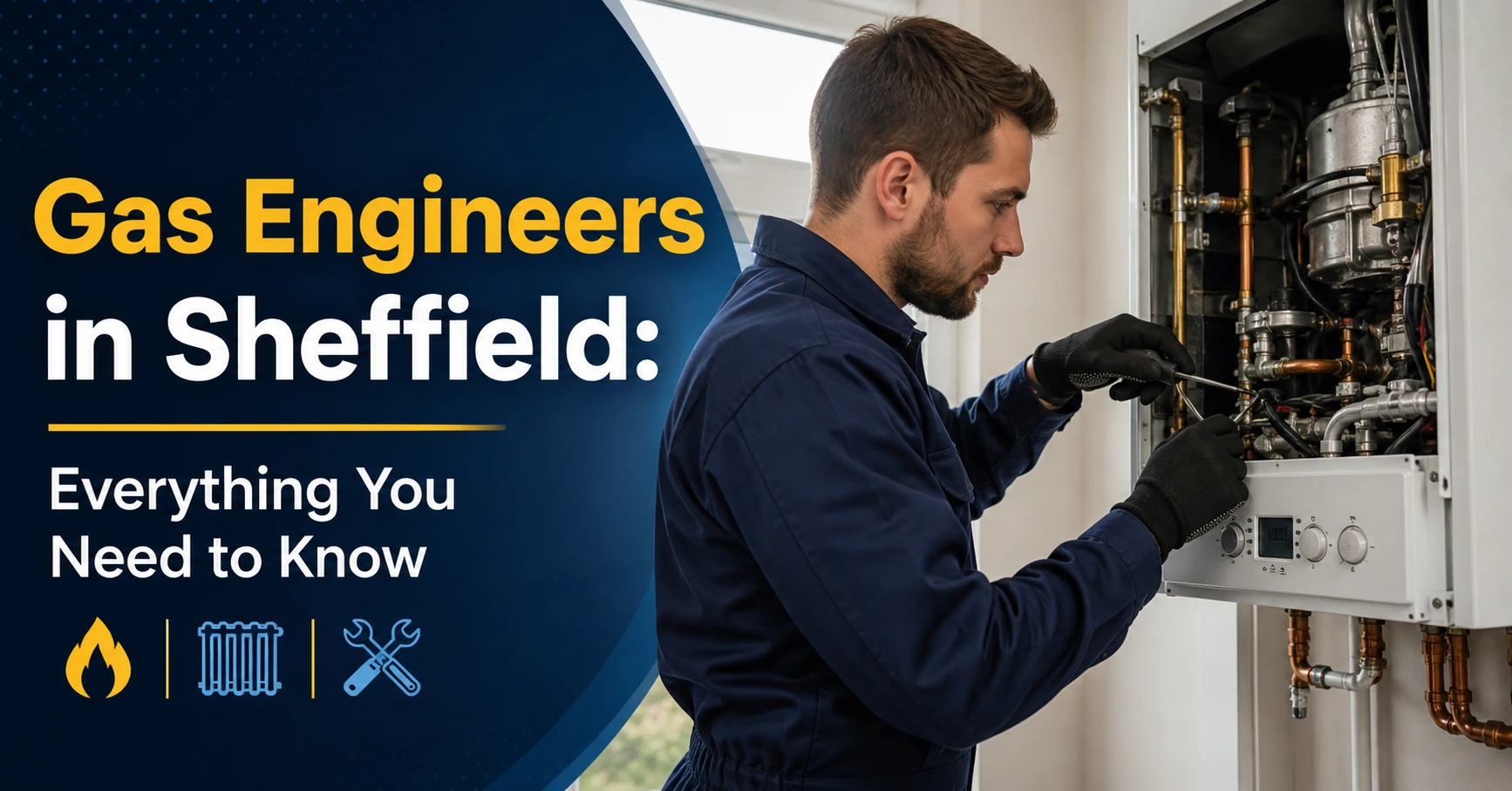
Gas Engineers in Sheffield: Everything You Need to Know

Finding a reliable, qualified professional to handle gas work in your home or rental property is not something to leave to chance. Whether you need a new boiler fitted, an annual safety check, or a faulty appliance repaired, the person doing the job must be properly certified and genuinely competent. This guide covers everything homeowners, tenants, and landlords in South Yorkshire should know before booking gas engineers Sheffield residents can trust, including what qualifications to look for, which services are typically offered, how much work usually costs, and how to avoid common pitfalls.

By the end of this article, you’ll understand exactly what separates a properly qualified professional from an unqualified tradesperson, why that distinction matters for your safety, and how to choose a company with a genuine track record in the city.

Why Choosing the Right Professional Matters

Gas work is one of the few areas of home maintenance where cutting corners can have serious consequences. A poorly fitted appliance, an undetected leak, or a badly maintained flue can lead to carbon monoxide poisoning, fires, or explosions. This is precisely why anyone carrying out gas work in the UK is legally required to be on the Gas Safe Register, the official body that replaced the old CORGI scheme in 2009.

Many people still search for a CORGI-registered gas engineer near me out of habit, even though the CORGI name is no longer used for registration purposes. What matters today is that the tradesperson you hire holds a current Gas Safe ID card covering the specific type of work you need, whether that’s boilers, cookers, fires, or commercial catering equipment. Always ask to see this card before any work begins, and check the licence number against the online Gas Safe Register if you have any doubts.

The Difference Between a Plumber and a Gas Specialist

It’s a common misconception that any plumber can safely carry out gas installations or repairs. In reality, plumbing and gas work are separate disciplines requiring different qualifications. A general plumber deals with water systems, pipework, and drainage, while a qualified Gas Safe engineer in Sheffield households rely on has undergone specific training and assessment to work safely with gas appliances and pipework.

Many tradespeople are dual-qualified, offering both plumbing and gas services under one roof, which is convenient for homeowners who need a single point of contact for heating and hot water systems. A skilled gas fitter will also understand ventilation requirements, flue routing, and combustion safety, areas that fall outside standard plumbing training entirely.

What Services Do Gas Engineers Sheffield Companies Typically Offer

A professional heating engineer Sheffield residents rely on will usually cover a broad range of services rather than a single narrow specialism. Understanding the full scope of what’s on offer helps you know exactly who to call, whatever the issue.

Boiler Installation, Servicing, and Repair

This is the bread and butter of most gas engineering work. New boiler installations, annual servicing to keep manufacturer warranties valid, and emergency repairs when a boiler breaks down in winter are all core services. A competent gas engineer sheffield homeowners hire regularly should be able to advise on the right boiler size and type for your property, whether that’s a combi, system, or conventional setup.

Landlord Gas Safety Checks (CP12)

Landlords across Sheffield have a legal duty to have all gas appliances in their rental properties checked annually by a Gas Safe registered professional, resulting in a Landlord Gas Safety Record, commonly known as a CP12 certificate. Failing to arrange this isn’t just risky, it can also result in significant fines and invalidate insurance policies. A reputable local gas engineer will handle the booking, inspection, and paperwork with minimal disruption to tenants.

Gas Cooker and Hob Installation

Fitting a gas cooker isn’t a DIY job. Incorrect fitting can cause gas leaks or improper combustion, both of which pose a genuine danger to anyone in the home. Professional gas cooker installation in Sheffield ensures the appliance is correctly connected, tested for leaks, and checked for safe operation before the job is signed off. This service is often bundled with kitchen refurbishments or appliance upgrades.

Central Heating Installation and Power Flushing

Beyond boilers themselves, a full central heating system includes radiators, pipework, and controls that all need to work together efficiently. Power flushing removes built-up sludge and debris from old systems, improving efficiency and extending the lifespan of radiators and pipework. This is often recommended before installing a new boiler onto an older heating system.

Gas Fire Installation and Repair

Gas fires add both warmth and ambience to a living space, but like any gas appliance, they must be fitted and maintained by a certified professional. Regular servicing keeps them running safely and efficiently, particularly important given how frequently older fires are used through the colder months.

What to Look for When Hiring Gas Engineers Sheffield Homeowners Can Rely On

Not every tradesperson advertising gas services will offer the same level of competence or accountability. Here’s a practical checklist to work through before committing to any job.

Check Gas Safe Registration

This is non-negotiable. Ask for the tradesperson’s Gas Safe ID card and verify it covers the specific appliance or work type you need. A genuine professional will never hesitate to show proof of registration.

Look at Experience and Local Reputation

Experience matters enormously in a trade where mistakes can be dangerous. Businesses with a long-standing presence in the local area, positive reviews, and repeat customers tend to demonstrate a consistent standard of workmanship. Checking platforms such as Checkatrade or Google Reviews gives a useful independent view of a company’s reliability before you commit.

Ask About Insurance and Guarantees

A trustworthy gas engineer or plumbing company should carry appropriate trade insurance and offer guarantees on both parts and labour. This protects you financially if something goes wrong after the job is completed.

Confirm Response Times for Emergencies

Gas emergencies, such as a suspected leak or a boiler breakdown in freezing weather, need a rapid response. Ask prospective companies about their typical call-out times and whether they offer genuine 24-hour emergency cover, rather than simply advertising it without the capacity to deliver.

How Much Do Gas Engineers in Sheffield Charge

Costs vary depending on the complexity of the job, the time of day, and whether parts are required. As a general guide:

  • Annual boiler service: typically a fixed, modest fee, often cheaper when booked outside peak winter months.
  • Landlord gas safety checks: usually charged per property, with discounts available for landlords with multiple rental units.
  • Boiler repairs: priced according to the fault, with call-out charges sometimes waived if the repair goes ahead.
  • New boiler installation: the most significant cost, varying widely based on boiler brand, output size, and installation complexity.
  • Gas cooker installation: generally a fixed, affordable rate for a straightforward connection and safety check.

It’s always worth requesting a written quote before work begins, so there are no surprises once the job is finished. Reputable teams are usually happy to provide free, no-obligation estimates.

Why Local Expertise Makes a Genuine Difference

Hiring gas engineers Sheffield based, rather than a national call centre operation, brings several practical advantages. Local firms understand the housing stock typical to the area, from Victorian terraces with older pipework to newer developments with modern combi systems. They’re also more likely to offer faster response times, since technicians aren’t travelling long distances between jobs, and tend to build lasting relationships within the community, which encourages consistently higher standards of customer care.

FH Plumbing & Gas Installations is a good example of this kind of locally rooted expertise. Operating across Sheffield and the surrounding areas, the team combines Gas Safe registration with years of hands-on experience gained working for large companies and housing associations before serving homeowners and landlords directly. This blend of formal qualification and real-world experience is exactly what Google’s Helpful Content guidelines and E-E-A-T principles point to when assessing genuine expertise: demonstrable, first-hand experience combined with recognised professional accreditation.

Whether the job involves a routine boiler service, a full central heating installation, or an urgent gas leak investigation, working with an established company such as FH Plumbing & Gas Installations gives homeowners and landlords confidence that the work has been carried out to the correct legal and safety standards, not just completed quickly.

Final Thoughts

Gas work is not an area where it pays to take shortcuts. From boiler installations and central heating upgrades to landlord safety checks and gas cooker fitting, every job should be handled by a fully qualified, Gas Safe registered professional with a proven local reputation. Taking the time to verify credentials, read reviews, and request a clear written quote will save both money and stress in the long run.

For anyone searching for dependable gas engineers Sheffield wide, prioritising registration, experience, and transparent pricing will always lead to a safer and more satisfying outcome. Companies such as FH Plumbing & Gas Installations demonstrate what a properly qualified, locally established team looks like, offering the kind of accountability and expertise that genuinely protects your home and family.

Frequently Asked Questions

Is it legal to fit gas appliances myself?

No. Any gas work, including installation, repair, or maintenance of appliances and pipework, must be carried out by someone on the Gas Safe Register. DIY gas work is illegal and dangerous.

How often should a boiler be serviced?

Most manufacturers recommend an annual service to maintain warranty cover and ensure the appliance continues running safely and efficiently.

What should I do if I smell gas?

Turn off the gas supply at the meter if it’s safe to do so, open windows and doors, avoid using electrical switches or naked flames, and contact the National Gas Emergency Service on 07853 958388 immediately, followed by a registered professional for any repair work.

Do landlords really need an annual gas safety check?

Yes, this is a legal requirement in England and Wales. Landlords must arrange a check every 12 months and provide tenants with a copy of the CP12 certificate.

Do You Need Plumbers? Call Us at 07853 958388

Call Now
Get A Quote